
The SaaS sector continues to evolve quickly. By 2026, software-as-a-service will no longer be limited to delivering functionality from a cloud environment—it will also encompass user experience, automation, embedded AI, privacy-by-design, and outcome-focused enablement in business. If you build products, work in product management, or invest in technology companies, keeping an eye on leading USA-Based SaaS Product Development Companies helps you observe trends in talent, technology stacks, partnerships, and business models worth learning from or collaborating with.
This dissertation will include a sample of SaaS product companies and studios based in the USA that are influencing the market landscape today. In this survey, I will focus on organizations that are: a) shipping widely used SaaS platforms; b) operating as product development studios or consultancies building SaaS for enterprise and startup companies; or c) product-led SaaS companies launching new capabilities (for example, GenAI capabilities, platformization, or new go-to-market strategies). Understanding these groups also provides valuable insight into how to collect SaaS leads without paid ads, as their growth tactics often reveal effective organic acquisition strategies.
For each company I’ve assembled a brief description, core strengths, their value for watching in 2026 and a link to their company website for you to explore further.
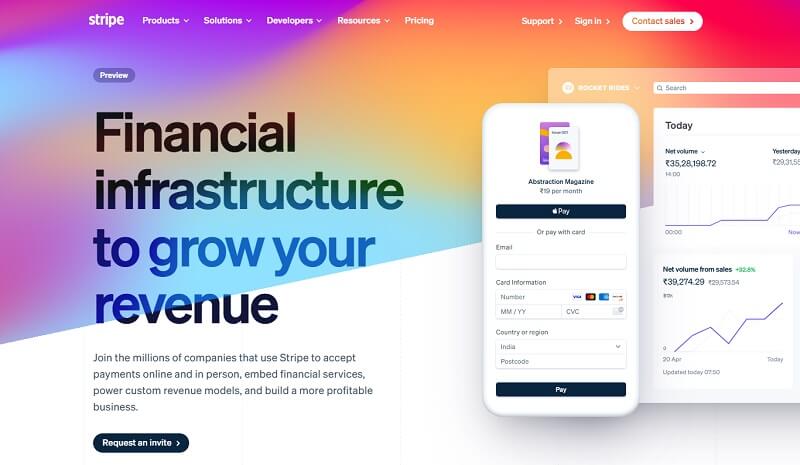
Why Watch: Stripe remains a leader in global online payments and is expanding into banking-as-a-service, fraud detection and treasury services. Their focus on developer-first APIs, excellent documentation, and modular payment stack make them a must-see for any SaaS management business. Stripe’s investment in platform primitives (invoicing, subscriptions, taxes, identity) makes it an attractive partner for startups and businesses looking to modernize payments.
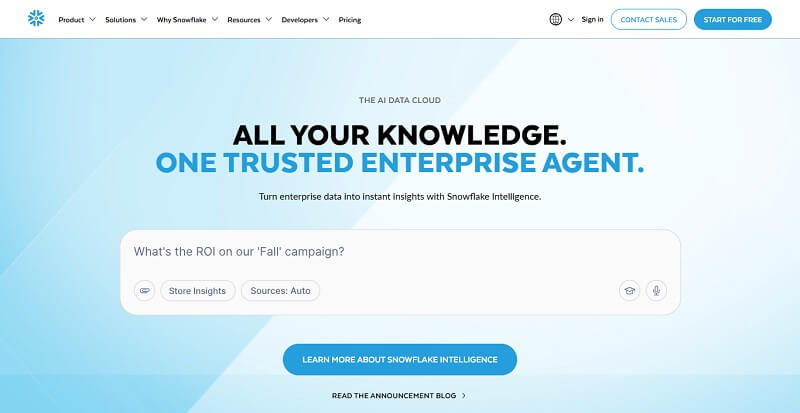
Reason for watching: Snowflake is not just a data storage and querying system but a revolution tool in the cloud world. In 2026 its work on data sharing, marketplace, and real-time data tools continues to push SaaS firms to rethink analytics architecture. Snowflake’s new product expansions make data easier to operationalize inside SaaS apps and enable ML model workflows close to the data.
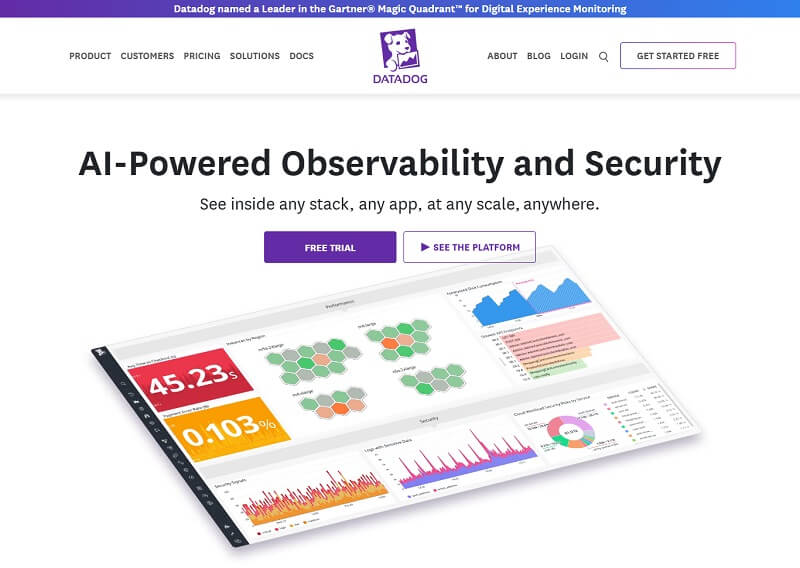
Why watch: Observability is crucial for present day SaaS. Datadog’s included platform for metrics, lines, logs, and protection gives product groups a single pane for overall performance and reliability. Their non-stop growth into RUM, security, and AI-assisted alerting makes Datadog a strategic tool for preserving SaaS offerings wholesome as they scale.
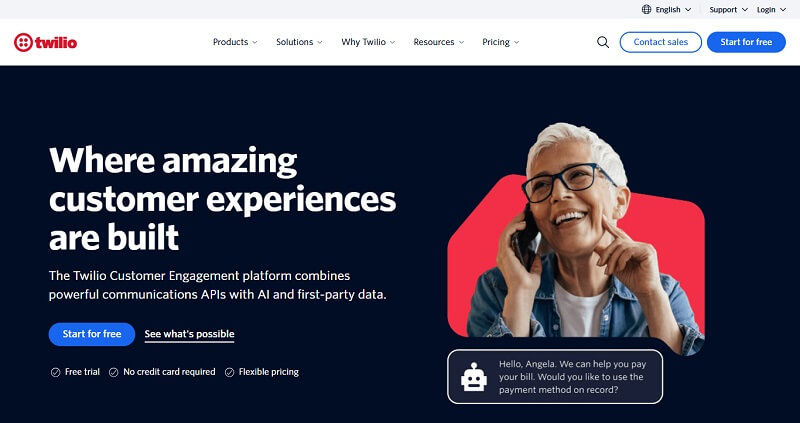
Why watch: Twilio powers communications inner many SaaS merchandise — no longer simply notifications but interactive stories (chat, calls, verifications). In 2025 Twilio will also specialize in programmable conversations and embedding richer interactive features into SaaS merchandise (together with omnichannel guide).
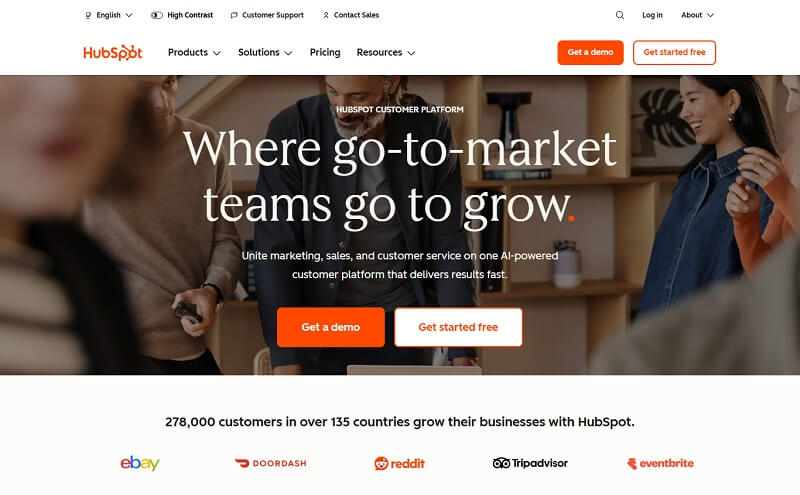
Why watch: HubSpot’s product-led technique to CRM, marketing automation, and customer support remains influential for SMB and mid-marketplace SaaS. Their emphasis on packaging CRM capabilities and trial-based growth provides beneficial lessons for SaaS monetization and lifecycle control.

Why watch: Identity is a core platform carrier for SaaS safety and integration. Okta’s centralized identification control, SSO, and adaptive MFA are broadly followed by means of SaaS providers. Look for persisted evolution round passwordless flows, customer identity (CIAM), and identification-primarily based segmentation.
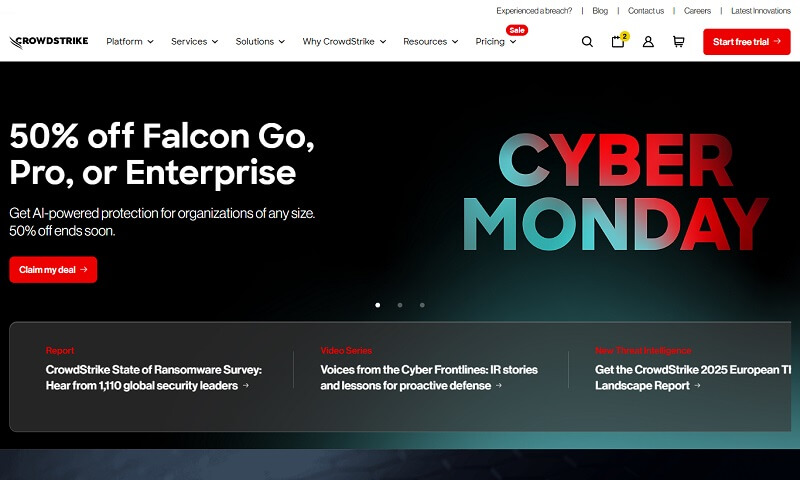
Why watch: Security needs rise with SaaS adoption. CrowdStrike’s cloud-local technique to endpoint safety and danger intelligence is regularly embedded in employer SaaS safety stacks. Their telemetry and ML abilities help SaaS carriers harden merchandise quickly.
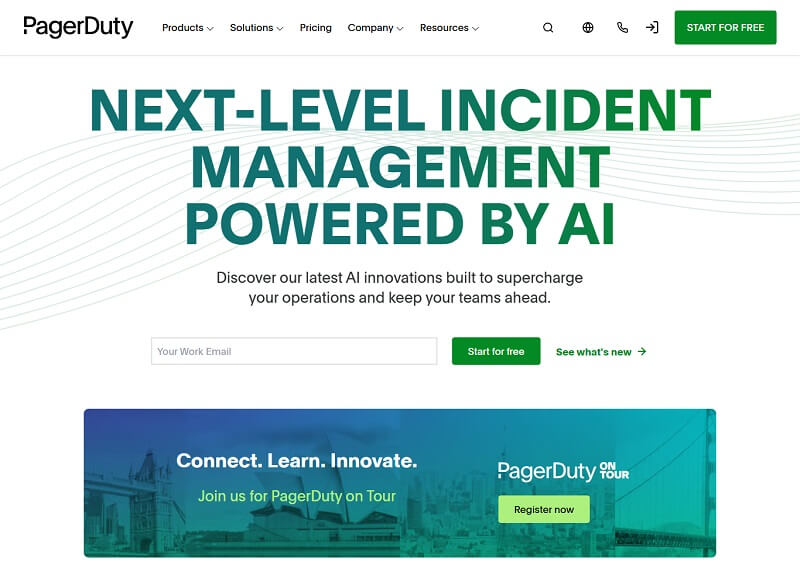
Reason to watch: PagerDuty allows teams to handle outages and orchestrate the incident workflows. For SaaS agencies in which uptime and fast restoration are business-crucial, PagerDuty’s automatic runbooks and on-name control stay vital. They also enlarge into enterprise-facet operational indicators and reliability workflows.
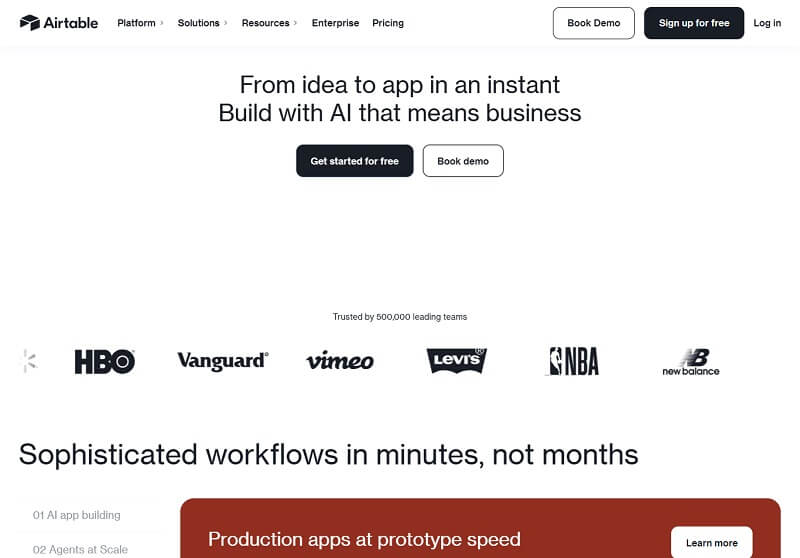
Why watch: Airtable empowers non-engineers to design workflows and light apps, bridging the distance among spreadsheets and full SaaS. In 2025 Airtable’s integrations and automation capabilities make it a fast prototyping and internal tooling platform for SaaS companies.
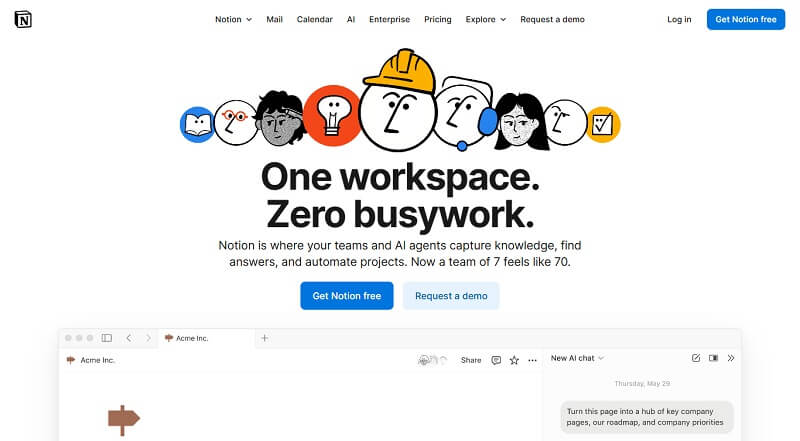
Why watch: Notion’s flexible blocks and database capabilities are increasingly more used to construct know-how-driven SaaS workflows and inner portals. Their platform movements towards embedded databases and developer APIs, making Notion a hub for content material-driven product experiences.
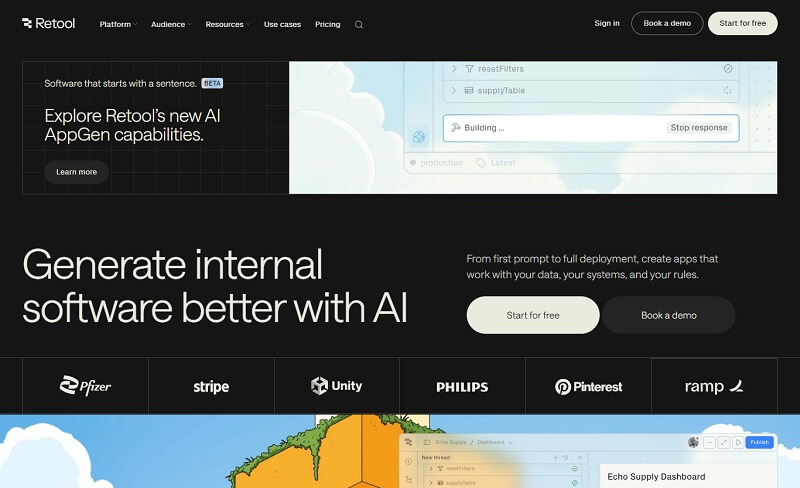
Why watch: Retool shortens the time to build inner SaaS dashboards, admin panels, and operations apps. For corporations scaling SaaS operations, Retool speeds up constructing secure, statistics-related tools without heavy engineering overhead.
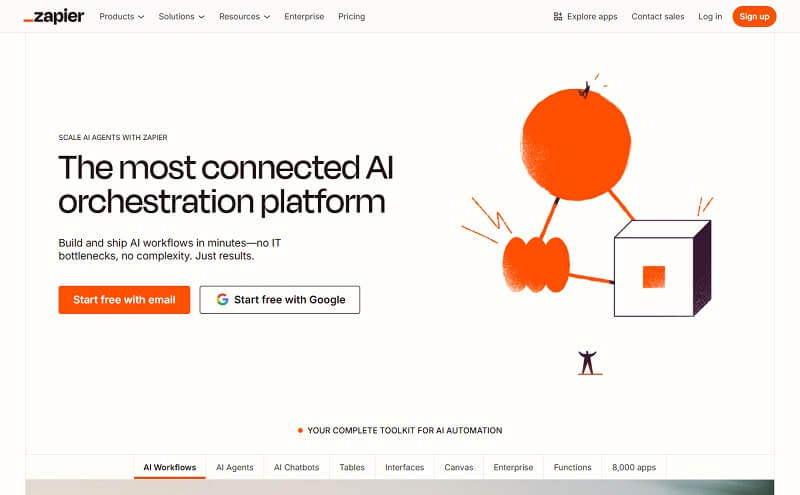
Why watch: The glue between SaaS apps: Zapier automates pass-application workflows. For product groups making plans, integrations or surroundings performs, Zapier’s massive connector library demonstrates wherein purchaser workflows stay.
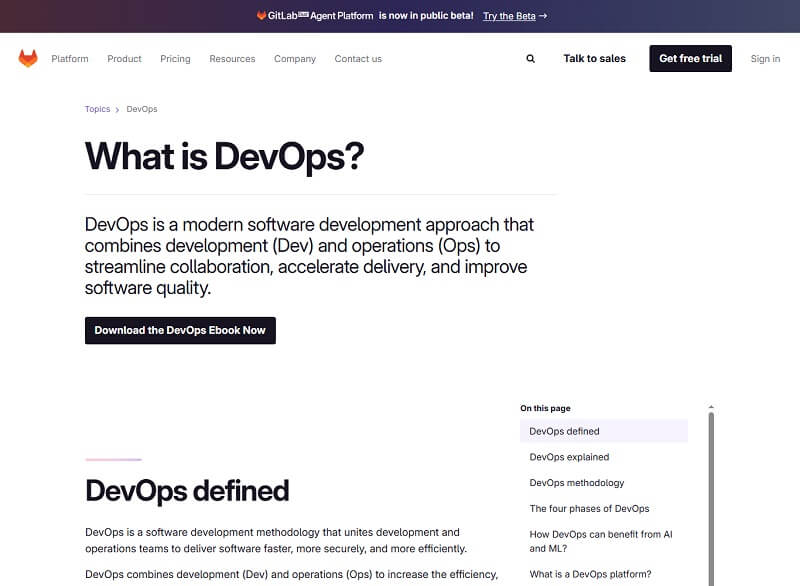
Why watch: GitLab gives single software for source control, CI/CD, security scanning, and deployment. SaaS product teams adopting GitLab streamline DevOps and security guardrails internal one platform — vital for shipping dependable updates quicker.
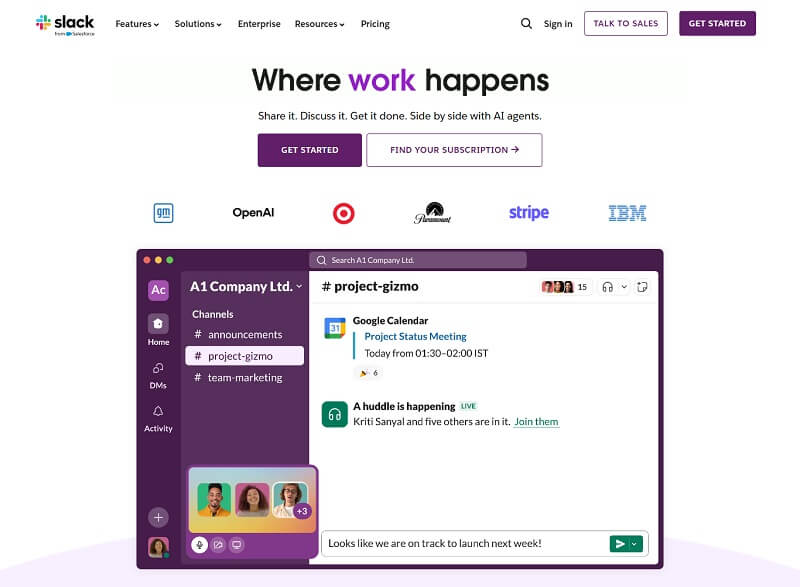
Why watch: Slack is crucial to inner collaboration and deepens product integrations with Salesforce. SaaS makers have to pay attention to Slack for in-app notifications, ephemeral workflows, and embedded bot stories.
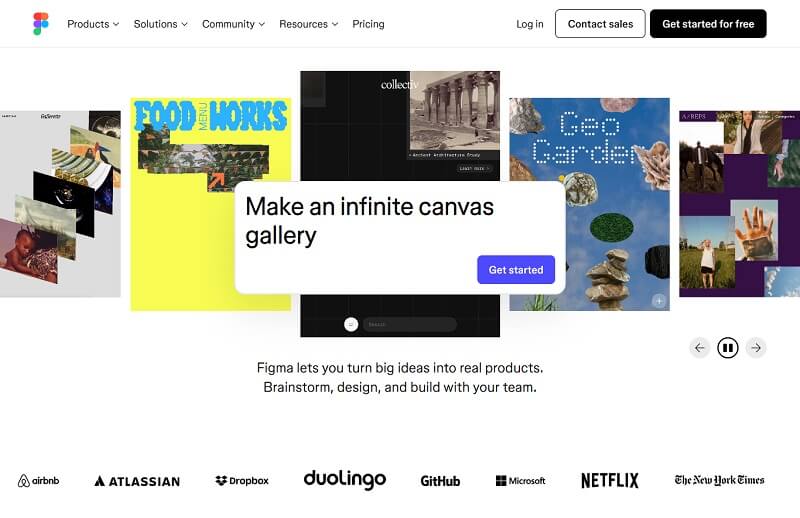
Why watch: Figma influences product UX styles and layout systems. It’s becoming a platform for collaborative product design and handoffs, dashing feature cycles and enhancing UX consistency across SaaS groups.
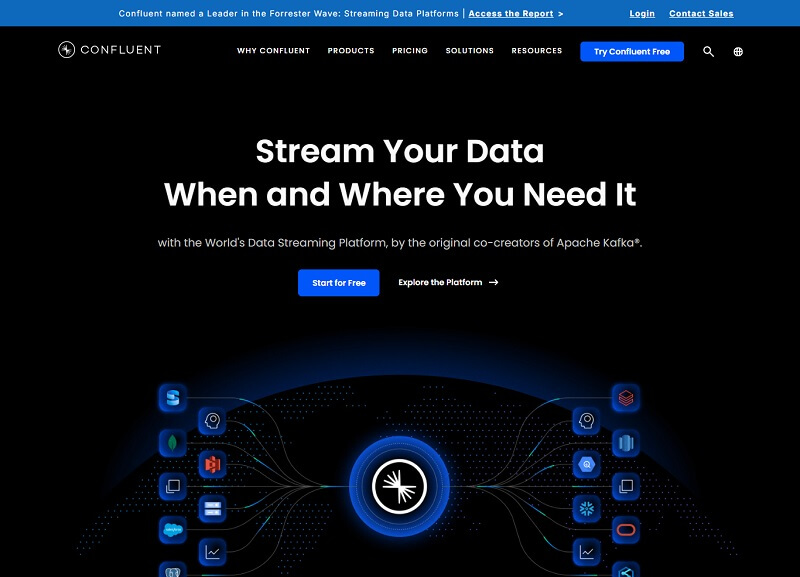
Why watch: Real-time facts feeds permit responsive SaaS functions (notifications, analytics, personalization). Confluent makes streaming achievable at scale for product groups.
Selecting the right SaaS companies and improvement partners depends on a couple of elements. Here’s a practical tick list to guide choices:
Does the vendor’s roadmap shape your product targets? For example, if you plan AI-assisted capabilities, choose companions explicitly making an investment in ML and APIs.
Check SDK maturity, guide libraries, API documentation, and sample apps. A frictionless API reduces engineering time.
A demand to observe their dedication to compliance with SOC 2, ISO 27001, and GDPR/CCPA. Data residency will probably be a one-time choice. For regulated sectors, CIAM (customer identity and access management) and encryption will be considered as the hottest trends.
Review historic uptime, incident history, and help SLAs. Also, understand your very own tolerance for downtime.
Prefer predictable and usage-aligned pricing. Evaluate long-time period fee as your person base grows.
Vendors with strong marketplaces create acquisition channels; partners with many integrations shorten time to fee for customers.
Make positive you keep personal data rights and might export facts without problems for migrations.
Sandbox environments or developer bills are essential for evaluation; if you may’t check, adoption will be gradual.
For complex integrations, vendor onboarding assist and professional offerings can boost up launch.
A massive developer network signals stability and easier hiring for integrations.
Modern SaaS products integrate modular, cloud-local constructing blocks. Here are common structure styles and the way pinnacle businesses in the listing guide them:
Use a microservices structure for impartial deployability.
Managed services (controlled DBs, streaming, queues) can alleviate some of the program’s operational overhead.
Providers include, among other things, HashiCorp- (infra), Confluent- (streaming), and Snowflake- (analytics).
Serverless capabilities deal with spikes and one-off obligations (photograph processing, notification routing).
Integrate with observability tools like Datadog for tracing.
Use Kafka/Confluent to stream product events. Snowflake or Databricks can process and store enriched events for ML features. Segment (customer data platform) captures events for reuse.
Use APIs from Looker/Tableau or build with libraries that provide SDKs for embedding dashboards (Looker, Tableau). Amplitude provides behavior analytics to inform product decisions.
Continuous deployment with characteristic flags (LaunchDarkly) guarantees safe rollouts and focused checking out. Integrate Snyk into CI to test dependencies.
Implement Okta or Auth0 for SSO, consumer identity flows, and first-rate-grained get admission to control.
Use LLM providers (OpenAI, Anthropic) for content summarization, agent assistants, and code generation — ensure safety and ranking filters.
Freemium models and free trials help user acquisition (Stripe, HubSpot, Airtable). But clearly define usage limits and upgrade drivers (API calls, storage, users).
Billing units that map to customer value (e.g., events processed, seats, compute) ease adoption. But complexity increases for forecasting — provide transparent metering.
Start small (pilot or internal tool) then expand via integrations, compliance, and custom features — common for Snowflake and Databricks.
Platforms with third-party extensions (Snowflake marketplace, Salesforce AppExchange) create viral distribution channels and partner revenue.
Provide SDKs, quickstarts, and community support. Developer experience equals acquisition speed.
AI/LLMs offer enormous product scope, but safety and UX matter:
Summarization, recommendations, requesting assistance, and automation can be considered the safest and lowest risk examples to begin conducting discussions with your team.
Setting restrictions on the number of outputs, filtering the results, and doing a review of the outputs that are considered high-risk by the human reviewer.
Apply strong information managing rules. No PII in set off logs until encrypted and consented.
Provide users with provenance and confidence scores.
Track hallucinations, anomaly rates, and user corrections.
Model inference costs can explode — cache repeated results and batch requests.
Vendors which include OpenAI, Anthropic, and Databricks provide APIs and hosted version options; construct your protection layer above them.
A: Consider customer scale (millions of end users), features like social login, passwordless, multi-tenant isolation, and pricing. Try sandbox integrations early.
A: As soon as you plan regular releases. Feature flags reduce danger and enable revolutionary transport, checking out, and experimentation.
A: Many providers offer startup applications and consumption-based pricing. Evaluate costs in opposition to the engineering time stored with the aid of using managed offerings.
A: No single tool fits every need. Datadog is wide & integrated; Splunk is deep for logs/safety; open-source options exist (Prometheus/Grafana) but are more operationalized. Choose totally based on your telemetry needs and team capabilities.
Watching the companies in this guide will give you insight into product trends, infrastructure styles, and GTM performs shaping SaaS in 2026. Use the employer URLs to dive deeper into product medical doctors, case studies, and integrations.
To make the most of this list:
SaaS is now a platform play. Focus on composability — choose best-of-breed components that let your team iterate fast and deliver customer outcomes. The companies above are not just vendors; they’re blueprints for building resilient, modern, and commercially successful SaaS products.

With our extensive collection of elements, creating and customizing layouts becomes
second nature. Forget about coding and enjoy our themes.